

Is high quality yet cost-effective housing a very affordable option for you? The nuances of modular and manufactured homes are revealed, leading ultimately to a confident decision for a future dwelling.
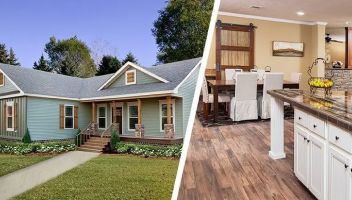
Quick Overview of Modular Homes & Manufactured Homes
Factory-built housing includes modular and manufactured homes that both have unique differences. Modular homes are formed of sections of a home that are assembled on a permanent foundation site once at a factory. And these homes have to meet the same local building codes as site-built homes.
Like any other home, manufactured homes, also known as mobile homes, are homes constructed in factories, and delivered to the property in one piece. The buildings are designed to the HUD Code, U.S. Department of Housing and Urban Development, a national set of building standards. Unlike modular homes, homeowners can move them around to different locations allowing them to be put on permanent or non-permanent foundations.
Similarities Between Modular and Manufactured Homes
1. Efficiency: Build times are faster and may be cheaper than traditional site created homes, since there is no site preparation involved.
2. Quality Control: By building in a controlled environment weather related delays and quality issues are minimized and more consistent outcomes result.
3. Energy Efficiency: There are even energy saving features in both that help save on the utility bills and environmental impact.
Differences Between Modular and Manufactured Homes
1. Building Standards: While both the modular home and the traditional home are supposed to meet the local and state codes, manufactured homes adopt the standards laid down by HUD.
2. Foundation: Whereas modules are set onto permanent foundations that then further stabilize the structure and usually increase resale value, manufactured homes can be sited onto temporary foundations and may be moved if an owner wants to relocate.
3. Personalization and Appearance: Whereas modular homes are more personalized to a certain architectural style, manufactured homes are less personalized but standardized in design and general arrangement.
Benefits and Drawbacks of Modular Homes
Benefits:
1. Quality and Durability: Modular homes are built to meet and/or exceed building codes, which typically makes modular homes comparable to, if not better, than the average site built home.
2. Appreciation Potential: Modular homes tend to appreciate in value and, unlike manufactured, are a better investment.
3. Traditional Mortgage Availability: Often, modular homes are like site-built homes in regulation, which means they can usually be financed with conventional mortgages and with the better loan terms.
Drawbacks
1. Higher Initial Cost: Comparatively high initial investments for modular homes may be prohibitive for some buyers.
2. Longer Construction Time: The need for site construction on a permanent foundation can take longer to be occupant-ready than manufactured homes.
Benefits and Drawbacks of Manufactured Houses
Benefits:
1. Affordability: The general price level for such houses is lower, coming way below the minimum square foot price compared to the modular and traditional homes, and is thus highly attractive to buyers on very lean budgets.
2. Flexibility: The design is such that it allows for possible relocation; that’s a big plus for people who need to move around, people who would like to place homes on leased lots.
Drawbacks:
1. Depreciation: Manufactured homes, being their nature, depreciate and do not build much long-term financial value.
2. Zoning Limitations: So many areas have a taboo against manufactured homes; finding out where they can be placed will be a real problem.
Which Is Right for You
Which is right for you, a modular or a manufactured home? You will choose a modular home when you are looking for custom features and value in a long-term investment and taking an advantage of conventional mortgage financing. Where cost is an issue, flexibility in housing may be necessary, and immediate need has to be met without serious concern for depreciation, manufactured homes are ideal.
Conclusion
While both modular and manufactured homes have their strong points, each meets different needs in lifestyle and investment. Understanding the difference and the positive features of each better prepares you for a decision that best suits your personal and investment priorities.