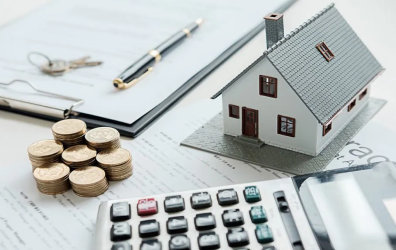


The United States is in the throes of an affordable housing crisis that has continued unabated for decades, a complex problem with roots in under-building, over-regulation and, not least, rising costs. This shortfall is not for the sake of statistics but as a systemic challenge because it affects economic well being, public health, and millions of ordinary American lives. At its heart, the crisis stems from a fundamental imbalance: Demand for housing — especially affordable rental homes — far exceeds supply. Understanding the magnitude of this shortage and its many causes is necessary for devising solutions.
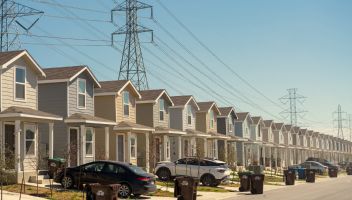
Specific Data
The numbers behind the crisis are grim. Nationally, the amount available and affordable to extremely low-income renter household (those with income at or below 30% of area median) is only 37 homes available per 100 standards low income renter households meaning there are 7.1 million affordable and available homes short nationally according to the NLIHC. This equates to just 35 affordable homes for every 100 of these households. The results are devastating, with three-quarters of these renters severely cost-burdened, paying more than half their income on housing. The rest of the market is impacted as well: According to estimates by the US Chamber of Commerce, there's currently a broader housing shortfall of 4.5 – 5.5 million units at all price points, an under-investment that has cost the economy trillions of dollars. The fiscal threshold for a basic dwelling has soared, too. By 2025, the hourly wage an average full-time worker must earn to afford a modest two-bedroom apartment is $33.60 — more than four times higher than your federal minimum wage of $7.25 per hour.
Factors Behind It
This acute shortage is the result of various underlying factors. The under-supply of housing is the number one cause. For years, especially since the Great Recession, new home building has failed to keep up with population growth and household formation. And this supply-demand dissonance is being amplified by escalating costs of development. Laborers and material construction costs are elevated and reports suggest they are 40% above pre-pandemic levels. These challenges are especially pronounced in affordable housing developments, where the median cost to produce a unit that utilizes Low-Income Housing Tax Credits (LIHTC) rose to $250,000 in 2023 — an increase of nearly 50% from 2020.
Dense Regulatory and Financial Obstacles
In addition, there are dense regulatory and financial obstacles in the way of new building. Developers encounter a labyrinth of zoning restrictions, onerous permitting processes and environmental reviews at the local, state and federal levels that delay projects and drive up costs. This is the “Laws” among those Five Ls — Lending, Lots, Labor, and Lumber — that restrict production. Although the LIHTC program, the federal government's chief means of underwriting affordable housing, has been effective, it is not enough. Currently, LIHTC usually finances only 30-40% of development costs and rarely reaches the very lowest income households who require additional rental assistance, leaving a gap which is known as “deeply affordable” housing. This is causing a more gap to be filled at the local levels of government, pushing public projects into unprecedented levels of under fundedness.
So the conclusion is that America's affordable housing crisis is a multi-faceted problem driven by a legacy of supply-demand imbalances, escalating construction costs and an inhospitable regulatory landscape paired with relentless financial red tape. The grim data highlights a system in tremendous stress. The nation must address this crisis with a comprehensive and consistent approach that is both long-term and multi-faceted—complemented by strategic increases in housing supply, a dramatic reduction of regulations, and the significant augmentation of public and private capital to close the financing gap—to guarantee secure affordable homes for all Americans.