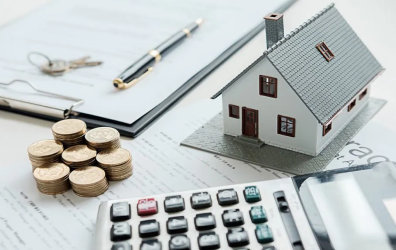


America's urban landscape is changing fast. In a time of extremely high housing unaffordability and a huge surplus of empty commercial space, converting offices and retail spaces into homes has become an attractive approach. This adaptive re-use strategy offers an unprecedented opportunity to tackle two pressing problems at once — the revival of underused downtowns and a boost in much-needed housing inventory, particularly affordable housing for working families.
The Driving Forces Behind Conversion
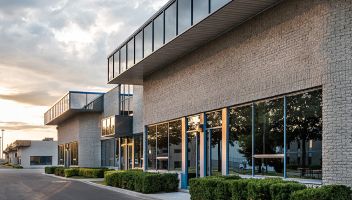
Commercial-to-residential is being driven by strong market dynamics and changing social patterns. With more than 30 percent of workdays now being done remotely since the pandemic began, many office buildings have grown empty or under-occupied — and their value has plummeted by an estimated $413 billion. At the same time, the US has a giant housing shortage and will need to build more than 4 million rental units by 2035 to keep up with demand. The imbalance generates a strong economic and social motive for the reuse of old buildings. Additionally, conversions are considered to have environmental benefits as they usually have lower embodied carbon than new build by not releasing emissions from demolition and new building materials.
Navigating the Feasibility and Challenges
Although promising in theory, not all commercial real estate works as a viable candidate for residential conversion. One of the most important is due to the building envelope. Buildings with tight floor plates are often more practical because good access to daylight and air is possible in residential units. Conversion is also very expensive. The price of plumbing, electrical work and window changes can run into tens of thousands and if there are no incentives on offer, the project is a nonstarter. Moreover, developers face a Gordian knot of local zoning laws and building codes that have frequently been written from an industrial perspective but may pose barriers to residential conversion. For example, some ordinances have also mandated change-of-use permits to ensure that building codes accommodate safety with new residential uses.
Incentive Policies Paving the Way
Governments at all levels are working to address these challenges by offering focused incentive policies. One of them is the bipartisan Revitalizing Downtowns and Main Streets Act of 2025. The bill would establish a 20% tax credit for eligible conversion costs, fashioned after the historic rehabilitation tax credit. To to ensure a community benefit, the bill also mandates that at least 20% of the new units would be affordable to households earning at or below 80 percent of area median income for 30 years. The bill would also allow this credit to be combined with other incentives including the Low-Income Housing Tax Credit (LIHTC).
Cities and states are also responding. Boston, for example, provides a tax abatement worth as much as 75 percent for 29 years as an inducement to convert offices downtown to class A office space that includes affordable housing and is built in accordance with green building standards. Seattle has created a deferral of sales and use tax for such projects. In addition to financial incentives, some states are easing regulations. California is on the cusp of enacting a law that would treat adaptive-reuse projects as a “use by right”, effectively expediting their approval.
The Road Ahead
Converting commercial properties to residential is no magic bullet, but it's something that should be in the toolkit just as we're forced to admit how deep the housing crisis goes. Its future will depend on continued visionary public policy, creative partnerships and smart project selection. The US has the potential to turn its financial disincentives to revitalization, regulatory roadblocks and failure to prioritize sustainability into one that allows its empty commercial spaces to flourish as diverse, vibrant, green communities of affordability, launching a new era for downtowns and main streets in the bargain.