

Among the numerous varieties of housing arrangement systems today, income-based apartments for seniors have become a ray of hope for many aged people. Similar to the fact that senior apartments are focused on their financial and physical needs, these types of dwellings are meant to give older adults affordable, secured, and community-focused living arrangements. This issue, like many similar ones, cannot be ignored as the world population ages and becomes more economically challenged, but also contributes positively to health and independence when such housing is part of the mix.
1. Know What the Income-Based Apartments Truly Is
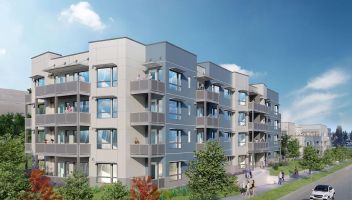
Residential units specifically designed for seniors based on differing income levels and more affordable for individuals with lower income level. Eligibility for such apartments generally depends on the income of the individual, which is commonly limited to a percentage of the median income in that area. It provides a program to make sure housing costs are affordable so seniors can spend their limited resources more wisely on health care, medications, and other necessities.
Government programs or non-profit organizations often subsidize these apartments, making them an option for those who might otherwise be challenged to secure appropriate and affordable accommodation. They come in several shapes, from studios and one- bedroom units to larger apartments geared toward couples or individuals requiring space for medical equipment.
2. Key Benefits for Seniors
Income-based apartments have one of the biggest advantages. Having fixed incomes, such as from pensions or social security, many seniors struggle to afford soaring housing costs. These flats give them a temporary financial leg-up, allowing them to pay for a roof over their heads without being financially squeezed.
In addition, they're built with seniors' physical and mental health in mind. Mobility is made easier by features like wider doorways, grab bars in bathrooms and elevators. Certain apartments in this building will also feature smart home technologies to increase safety and convenience, including emergency alert systems and automated lighting.
Income-based apartment complexes for seniors also emphasize community involvement. These communities frequently organize social gatherings, health seminars, and recreational activities, contributing to a sense of belonging and alleviating feelings of isolation. Such social interaction is important for mental health, as loneliness is a common issue for older people.
3. Addressing the Housing Crisis for Seniors
Several drivers are pushing demand for income-based apartments for seniors. The aging population of baby boomers means that more people are retiring and looking for appropriate housing. Economic disparities, combined with the higher cost of living, further compound the issue, especially for the lower social echelon.
This is a problem that already exists and that governments and policymakers are starting to recognize and are responding to with increased availability options for seniors housing. For example, this can include funding for new income-based apartment complexes, tax breaks for developers, and assistance toward non-profits that are working on senior-friendly housing.
4. Improving the Role of Community and Non-Profit Organizations
Community and non-profit organizations are essential to filling the voids left by government programs. They typically raise funds, receive grants, and work with local governments to build and manage income-based apartments for seniors. Often, these organizations do not simply provide housing, but also meal preparation, transportation, healthcare coordination, and other services. They also ensure these apartments will respond to the continuing needs of the aging populace. They gather feedback from seniors and adjust the services offered to create an environment that meets the personal preference and needs of seniors.
In conclusion, income-based apartments for seniors are a key element of our society’s safety net for our senior citizens. Not only do they provide a roof over the head, but also a community where seniors can flourish, living independently and leading a high quality of life. As we are confronting the problems and challenges of an aging population, we need to be growing these forms of housing further. By connecting with and caring for our elders, we nurture those in their times of need, and we reinforce the fact that these more advanced people are integral members of society.