


The availability of affordable housing continues to be a leading social concern for most vulnerable populations in America. Many low-income elderly and people with disabilities are highly vulnerable, in part because they have few homes that can meet their needs–or no desired home at all. For those there are the two federal programs: Section 811 for persons with disabilities and 202 for elderly, both intended to fill this void. Both programs take a similar approach, offering capital advances to nonprofit developers for housing development plus ongoing rental assistance to keep units affordable for extremely low income households.
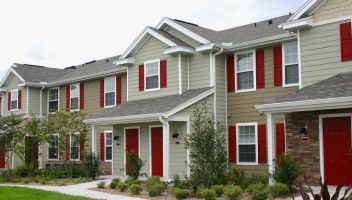
Section 811: Supportive Housing for Persons with Disabilities
1. Purpose and Administration
The Supportive Housing for Persons with Disabilities program (commonly called the Section 811 program) is authorized by section 811 of the National Affordable Housing Act. The initiative's goal is to increase the supply of supportive housing for very low income people with disabilities. It is administrated by the U.S. Department of Housing and Urban Development (HUD).
2. Eligibility
A household qualifies for Section 811 housing if the head of a signed income lease has a disability, meaning one or more physical, mental; or emotional disorders that are long-term (which is really indefinite) and demonstrate an inability to live independently in reasonable circumstances which could be improved by suitable living conditions. This service is available to individuals who are persons with physical disabilities, mental disabilities and chronic illness among other conditions. The program is designed for candidates between 18 and 61 at the time of admission.
Rent is charged to tenants at 30% of their adjust income and the federal government funds up until this amount. This program requires that the housing be available for occupancy by very low-income persons with disabilities for period of at least forty (40) years.
3. Supportive Services
What sets Section 811 apart from many other services is its focus on the provision of supportive services. Supportive services that relate to the individual needs of residents must be made available by owners of Section 811 projects. Such services are often coordinated through agencies within the state, such as Medicaid case managers; county boards of developmental disabilities; and mental health service providers.
Section 202: Supportive Housing for the Elderly
1. Purpose and Authorization
The Section 202 program (Supportive Housing for the Elderly), as authorized by section 202 of the Housing Act of 1959. This program seeks to increase the availability of low-income multifamily housing with supportive services for very low income elderly people so that they can live independently, but receive assistance such as cleaning or cooking or transportation if required.
2. Eligibility
To be eligible–one person over the age of 62 must live in any home qualifying for Section 202. The income of the household must be very low—generally below 50% AMI. As with tenants under the Section 811 program, rent is typically set at approximately thirty percent of tenant-adjusted income.
3. Supportive Services for Seniors
202 projects should provide a variety of services based on the needs of older resident. They are focused on keeping seniors "aging in place"—living at home or other community settings, rather than entering assisted living and long-term care. Services provided could include the preparation of meals, cleaning tasks in the home environment, assistance with transportation and social activities.
Nonprofit Sponsorship
Housing shall be responsive to the needs of eligible nonprofit organizations, which are mandated by both Section 811 and Section 202 program requirements for development. Sponsor eligible for Section 202 includes private nonprofit organizations and nonprofit consumer cooperatives Public bodies and their instrumentalities are ineligible applicants. This quasi non-profit stipulation means the housing itself needs to be operated with a mission-based approach rather than profit motives.
The Capital Advance Model
Each program has a comparable business model. Instead of traditional loans that have to be repaid, HUD provides capital advances—money not requiring repayment as long as the housing is available for eligible residents at least 40 years. New construction, rehabilitation or acquisition are all eligible projects for these advances.
Beyond capital advances, the HUD awards project rental assistance contracts (PRAC) to cover a portion of operating expenses not covered by what tenants pay (30% of their adjusted income). This two-pronged strategy guarantees that the proposed housing is PROVIDEABLE and sustainably AFFORDABLE to those populations it intends to serve.